How to Choose the Right Mattress for Your Sleeping Position
Getting a restful night’s sleep starts with choosing the right mattress that matches your preferred sleeping position. At Archers Sleepcentre, we understand that no single mattress suits everyone, so in this guide, we’ll walk you through how to choose a mattress that supports your body best, whether you sleep on your back, side, or front.
Mattress firmness is split into five different levels:
Why Sleeping Position Matters
Your sleeping position influences how your spine aligns and where pressure is placed on your body. A mattress that’s too soft or too firm can lead to discomfort, tossing and turning, or even long-term aches. The right mattress will support your spine, relieve pressure and help you wake up feeling refreshed.
Let’s break down how to choose the right firmness level based on the three main sleeping positions.
1. Back Sleepers
What to look for: Medium to medium-firm.
Why: A mattress that’s too soft may let your pelvis sink too far into the mattress, causing the spine to curve.
Ideal mattress features:
- Good “give” in the shoulder and lumbar areas to allow for slight contouring without losing support.
- Pocket springs, hybrid or premium foam mattresses often work well here.
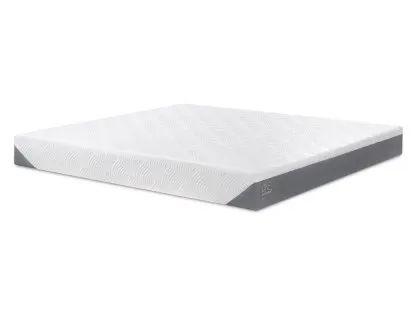
Medium Mattress Highlights






2. Side Sleepers
What to look for: soft to medium mattresses that allow contouring at the shoulders and hips.
Why: Side sleeping puts concentrated pressure on your shoulders and hips. A mattress needs to relieve that local pressure while still supporting your waist so that your spine stays as neutral as possible.
Ideal mattress features:
- Good pressure relief in the shoulder and hip zones (memory foam, hybrid or pillow tops).
- Edges should still feel supportive so you don’t roll off.
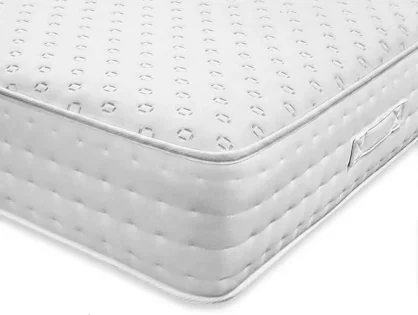
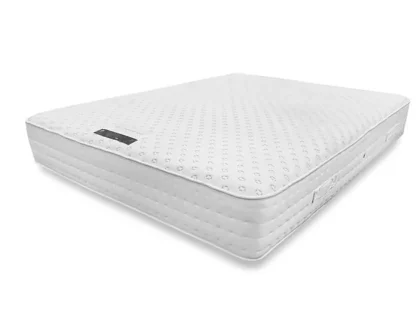
Softer Mattress Highlights


3. Stomach (Front) Sleepers
What to look for: Firm or extra firm mattresses that prevent your torso from sinking too far into the mattress. Spine alignment is important here.
Why: Sleeping face down naturally tends to push the midsection downwards. If the mattress is too soft, your lumbar region may sag, leading to lower and upper back strain.
Ideal mattress features:
- Strong support core (e.g. dense foam, high spring count) to resist sagging under the abdomen.
- A firmer surface layer (rather than pillowtop) helps maintain alignment.
Firm Mattress Highlights


From £824.67 SAVE £215.32


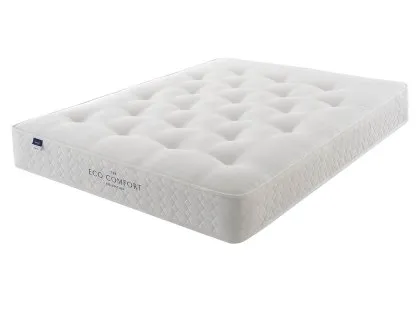
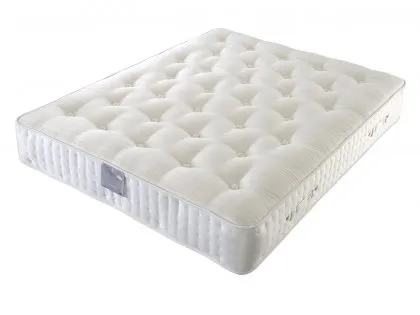
Extra Firm Mattress Highlights



4. Combination Sleepers (Changing Positions)
If you shift between positions (back, side, stomach) during the night, you’ll want a “balanced” mattress that offers both contouring and support.
Ideal features:
- Medium to medium-firm range, the sleep surface will neither be too soft nor too firm to support you across all these sleep positions.
- Pocket-sprung mattresses offer edge-to-edge support that's virtually unparalleled.
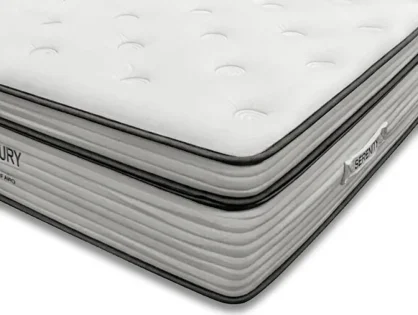
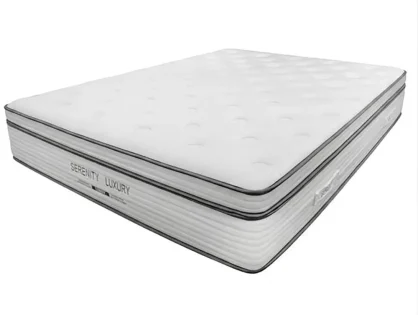
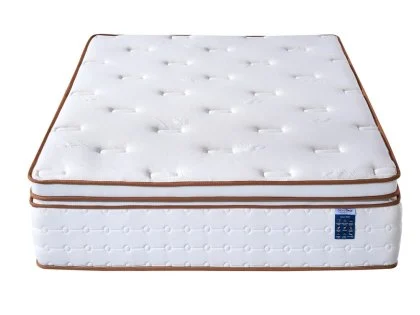
Combination Sleeper Mattresses


From £418.90 SAVE £111.09
Other Key Factors to Consider
Mattress Type
- Pocket sprung: Each spring is encased in it's own fabric pocket and works independently from the others, adjusting to your body’s contours and offering customised support. If you share your bed with a partner, pocket springs are ideal for reducing motion transfer. This means you’re less likely to be disturbed by their movements during the night. Pocket-sprung mattresses are known for their longevity, thanks to the high-quality materials and construction methods used.
- Memory foam: The foam responds to your body heat and weight, allowing it to mould to the shape of your body, which helps to alleviate pressure points. This makes it an excellent choice for side sleepers, as it cushions areas like the shoulders and hips, ensuring proper spinal alignment throughout the night. Hot sleepers may prefer sprung or gel as memory foam can retain heat.
- Hybrid (pocket springs + foam): A blend of bounce + contouring. Whether you’re a back, side, or stomach sleeper, a hybrid mattress adapts to your sleeping position, making it a versatile option for all kinds of sleepers.
- Natural Fillings : Made from materials that come directly from nature, such as wool, cotton, natural latex, and other plant or animal-derived fibres. These materials are breathable, durable, and hypoallergenic, offering a superior sleep surface compared to synthetic alternatives.
- Pillow top: Add cushioning layers above the core, a versatile mattress style for all sleeping positions. Prevents the user from placing too much strain on their neck, hips, and shoulders.
Firmness and User Weight
- Lighter sleepers (under ~ 60 kg) may prefer softer options.
- Heavier sleepers (over ~ 90 kg) often benefit from firmer mattresses to maintain support.
- Most average-weight sleepers fall somewhere in the medium to medium-firm range.
Edge Support & Stability
Strong edge support prevents sinking when you get in or out of bed and increases the usable surface area. For couples, a mattress with reinforced edges helps you both sleep comfortably without rolling toward the centre.
Motion Isolation
If you share a mattress, you’ll want one that minimises motion transfer so you don’t get disturbed when your partner moves. Memory foam and pocket springs are great for this.
Trial Periods & Guarantees
We offer a 60 night comfort guarantee.
Finding your Mattress at Archers Sleepcentre
At Archers, you can filter mattresses by:
- Support(Soft to Medium, Medium, Medium to Firm, Firm, Extra Firm)
- Type (Pocket Sprung, Hybrid, Foam, etc.)
- Size and dimensions, including less common sizes like "small single", "small double", “extra long” and "IKEA size"
Visiting one of our showrooms allows you to try multiple mattresses and get expert advice in person — something that can’t be replicated online.

How to Test a Mattress in Store
-
Lie down in your usual sleeping position (or positions if you’re a combination sleeper).
-
Give it at least 5 minutes — your body needs time to settle.
-
Check spinal alignment: the spine should be slightly curved in natural posture,
ask a friend or one of our friendly staff to help you check. -
Sense local pressure points (e.g. shoulders, hips) — they shouldn’t feel “sharp” or pinched.
-
If sharing with someone, test how much motion you feel when the other moves.
TL;DR
Sleeping position VS firmness:
- Back sleepers - medium to medium-firm.
- Side sleepers - soft to medium.
- Stomach sleepers - firm to extra firm.
- Combination sleepers - Medium.
Final Thoughts
Remember, choosing a mattress comes largely down to personal preference. What you find comfortable will depend on your body composition and sleeping position. By understanding the different sizes and types available, along with proper care, you can make an informed decision that ensures restful and rejuvenating sleep for years to come. Whether you're looking for comfort, support, or special features, there's a perfect mattress out there for everyone.