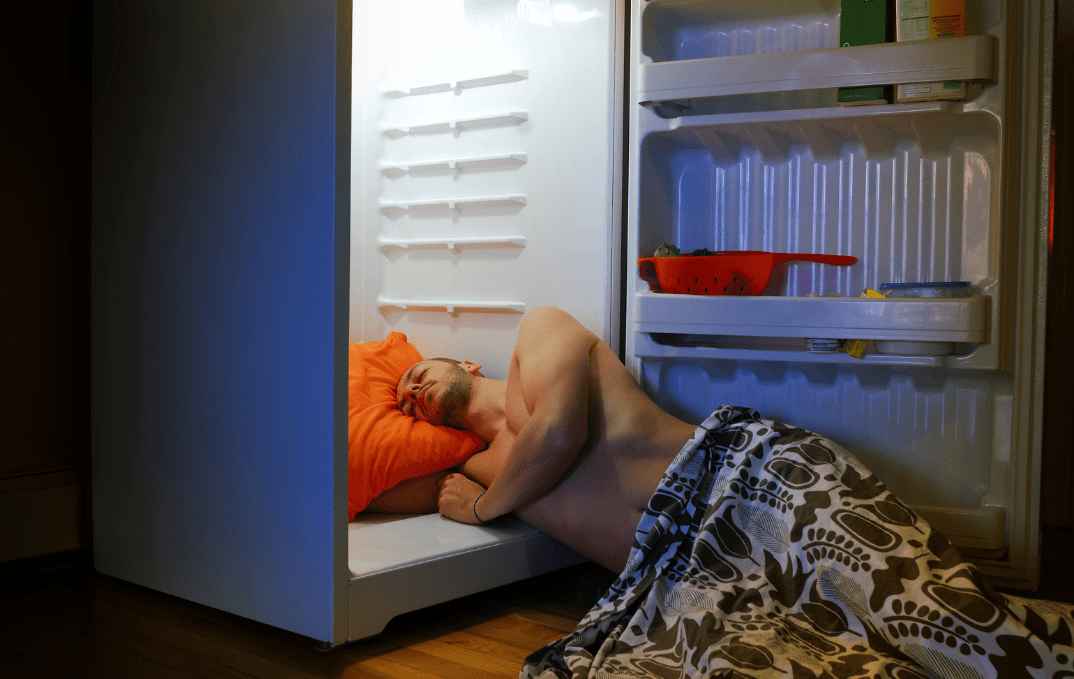
Why Does Heat Disrupt Sleep?
Your body relies on its internal clock—known as the circadian rhythm—to signal when it's time to sleep. One of the key triggers for this is a drop in core body temperature of around 0.5 to 1.5°C.
When your bedroom is too hot, that natural temperature drop becomes harder to achieve, making it more difficult for your body to wind down. Add in general discomfort from overheating, and it’s no surprise that sleep suffers.
1. Start Cooling Your Home Early
Prevent your home from overheating by shutting blinds or curtains on sun-facing windows during the day.
Open windows to allow cooler air to circulate.
.jpg)
2. Take a Warm Shower Before Bed
It may seem odd, but a short warm shower (not cold!) before bed can help lower your body temperature. The warm water boosts circulation to your skin, helping your body release heat faster once you get into bed.
.jpg)
3. Opt for Gel and Natural Fibers
Gel is temperature-regulating — it absorbs and disperses body heat, preventing it from becoming trapped and helping to keep you neither too hot nor too cold.
Natural Fibres are very high wicking, meaning they can effectively draw moisture away from your body, which keeps you cool throughout the night, and stops you waking up to those sweaty and clammy mornings. The fibres can essentially regulate your temperature far better than any synthetic foam or fabric can.
For cooler and drier nights, here are gel and natrual fibre mattresses we recommend:
Recommended Mattresses








From £1,358.99 SAVE £411.00

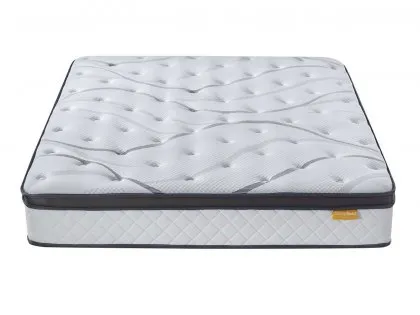
From £178.58 SAVE £51.41
Sleepsoul Memory Dual Pillow
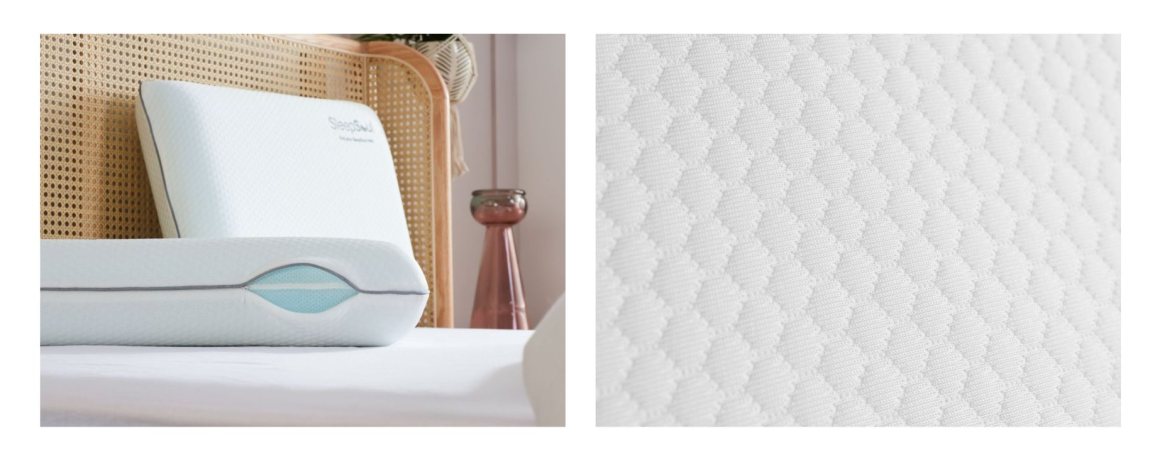
Alexander & Cole Bamboo Box Pillow

Mlily Premiere Deluxe Pillow

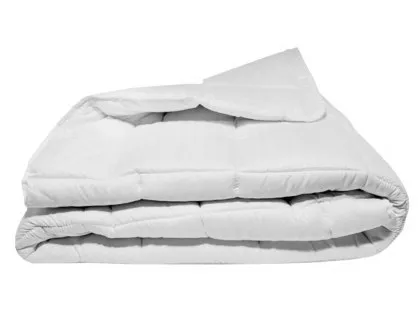
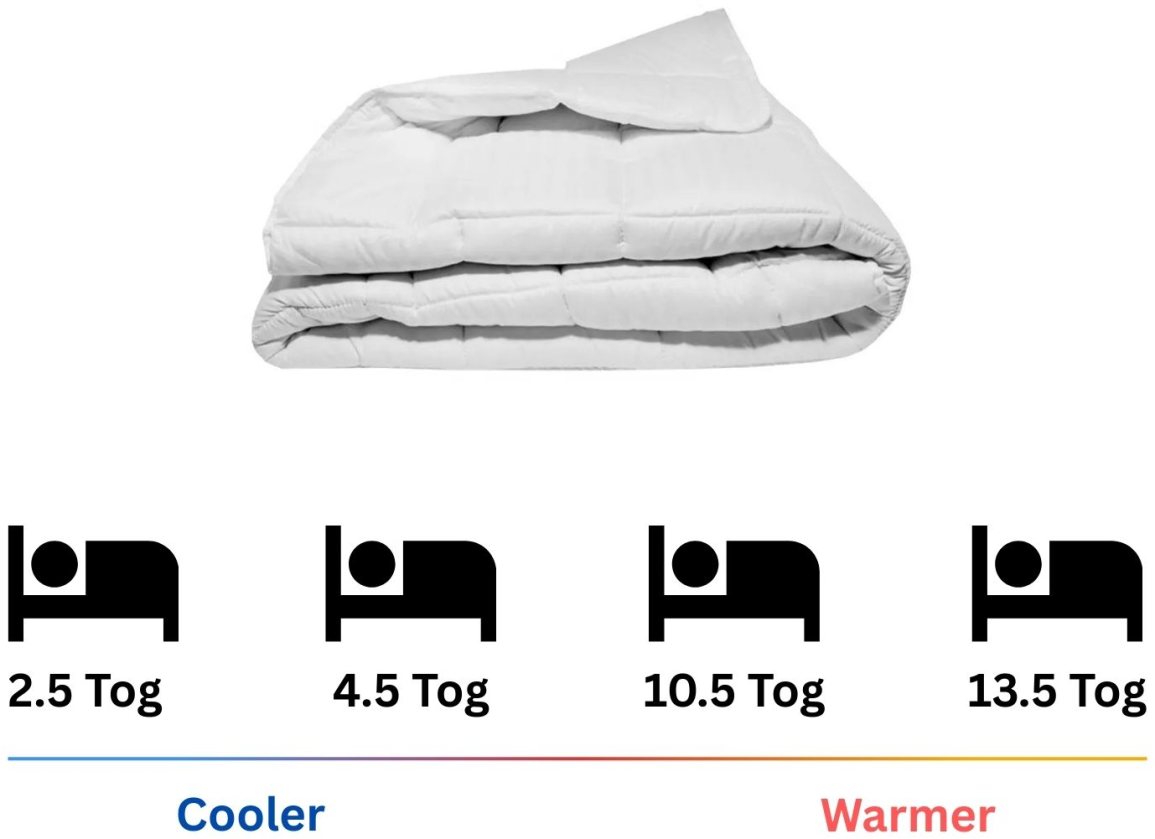
4. Lower your Tog
Swap out your heavy duvet for a lightweight duvet with a low tog rating. You could also use just a sheet.
You can always switch back between your "winter" and "summer" duvets anytime to suit your needs.
Tog ratings from coolest to warmest:
(2.5, 4.5, 10.5, 13.5)

5. Don’t Let Frustration Make It Worse
One of the most common sleep disruptors isn’t the heat itself—it’s the stress and frustration of not sleeping. If you’re still awake after 20 minutes, do something that relaxes you; read a few more pages of your book, listen to calming music, or do some gentle seated stretches.

Final Thoughts
You might not be able to control the weather, but you can take simple steps to make your nights more comfortable. From adapting your sleep environment to adjusting your routine, these small changes can make a big difference.