Memory foam mattresses, renowned for their unparalleled support and comfort, have revolutionised the bedding industry.




Firm
An ideal choice if you require a higher level of support. A firm mattress will suit those who prefer to sleep on their back or frontOpen Coil
An interconnected spring system that is extremely robust and durableMemory Foam
Body moulding and pressure relieving material designed to reduce tossing and turning for a more restful night's sleepSingle Sided
Mattress Depth
The mattress depth is taken from the highest point to the lowest point. (22)
(22)From £116.85 SAVE £28.33

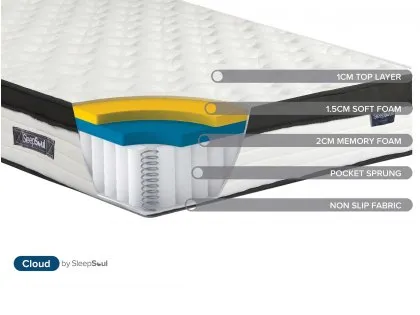
Soft to Medium
A gentle and supportive sleeping surface that moulds to your body shape. Ideal for those who prefer to sleep on their sidePocket Springs
Pocket springs are individual independent springs that contour to your bodyshape and minimise partner disturbanceMemory Foam
Body moulding and pressure relieving material designed to reduce tossing and turning for a more restful night's sleepSingle Sided
Mattress Depth
The mattress depth is taken from the highest point to the lowest point. (5)
(5)From £201.28 SAVE £58.71


Medium
Supporting and contouring your body shape, it’s ideal for those who switch from sleeping on their side, to sleeping on their backFoam
A durable lightweight alternative to springs that offers edge to edge support maximising the sleeping areaMemory Foam
Body moulding and pressure relieving material designed to reduce tossing and turning for a more restful night's sleepSingle Sided
Mattress Depth
The mattress depth is taken from the highest point to the lowest point. (17)From £131.02 SAVE £28.97

Medium
Supporting and contouring your body shape, it’s ideal for those who switch from sleeping on their side, to sleeping on their backOpen Coil
An interconnected spring system that is extremely robust and durableMemory Foam
Body moulding and pressure relieving material designed to reduce tossing and turning for a more restful night's sleepSingle Sided
Mattress Depth
The mattress depth is taken from the highest point to the lowest point. (5)From £165.73 SAVE £44.26

Medium
Supporting and contouring your body shape, it’s ideal for those who switch from sleeping on their side, to sleeping on their backOpen Coil
An interconnected spring system that is extremely robust and durableMemory Foam
Body moulding and pressure relieving material designed to reduce tossing and turning for a more restful night's sleepSingle Sided
Mattress Depth
The mattress depth is taken from the highest point to the lowest point. (25)From £167.22 SAVE £42.77


Medium
Supporting and contouring your body shape, it’s ideal for those who switch from sleeping on their side, to sleeping on their backPocket Springs
Pocket springs are individual independent springs that contour to your bodyshape and minimise partner disturbanceMemory Foam
Body moulding and pressure relieving material designed to reduce tossing and turning for a more restful night's sleepSingle Sided
Mattress Depth
The mattress depth is taken from the highest point to the lowest point. (8)From £477.59 SAVE £122.40


Medium to Firm
A suitable level of support for those who can’t choose between medium and firm, but want a comfortable mattress that’s not too hardFoam
A durable lightweight alternative to springs that offers edge to edge support maximising the sleeping areaMemory Foam
Body moulding and pressure relieving material designed to reduce tossing and turning for a more restful night's sleepSingle Sided
Mattress Depth
The mattress depth is taken from the highest point to the lowest point. (1)From £132.89 SAVE £37.10

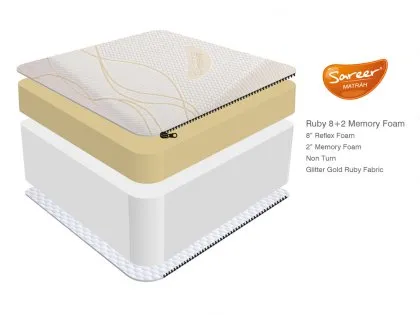
Medium
Supporting and contouring your body shape, it’s ideal for those who switch from sleeping on their side, to sleeping on their backFoam
A durable lightweight alternative to springs that offers edge to edge support maximising the sleeping areaMemory Foam
Body moulding and pressure relieving material designed to reduce tossing and turning for a more restful night's sleepSingle Sided
Mattress Depth
The mattress depth is taken from the highest point to the lowest point. (3)
(3)From £170.33 SAVE £39.66

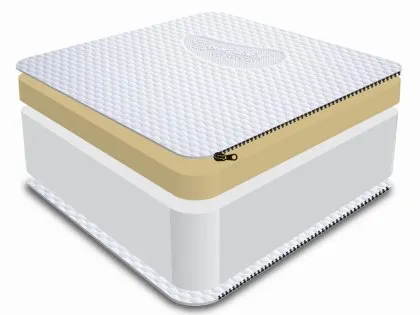
Medium
Supporting and contouring your body shape, it’s ideal for those who switch from sleeping on their side, to sleeping on their backFoam
A durable lightweight alternative to springs that offers edge to edge support maximising the sleeping areaMemory Foam
Body moulding and pressure relieving material designed to reduce tossing and turning for a more restful night's sleepSingle Sided
Mattress Depth
The mattress depth is taken from the highest point to the lowest point. (3)From £163.20 SAVE £36.79


Medium
Supporting and contouring your body shape, it’s ideal for those who switch from sleeping on their side, to sleeping on their backFoam
A durable lightweight alternative to springs that offers edge to edge support maximising the sleeping areaSingle Sided
Memory Foam
Body moulding and pressure relieving material designed to reduce tossing and turning for a more restful night's sleepMattress Depth
The mattress depth is taken from the highest point to the lowest point. (1)From £230.13 SAVE £49.86


Firm
An ideal choice if you require a higher level of support. A firm mattress will suit those who prefer to sleep on their back or frontFoam
A durable lightweight alternative to springs that offers edge to edge support maximising the sleeping areaMemory Foam
Body moulding and pressure relieving material designed to reduce tossing and turning for a more restful night's sleepSingle Sided
Mattress Depth
The mattress depth is taken from the highest point to the lowest point. (1)From £256.46 SAVE £53.53


Medium
Supporting and contouring your body shape, it’s ideal for those who switch from sleeping on their side, to sleeping on their backOpen Coil
An interconnected spring system that is extremely robust and durableMemory Foam
Body moulding and pressure relieving material designed to reduce tossing and turning for a more restful night's sleepSingle Sided
Mattress Depth
The mattress depth is taken from the highest point to the lowest point. (8)From £205.10 SAVE £54.89

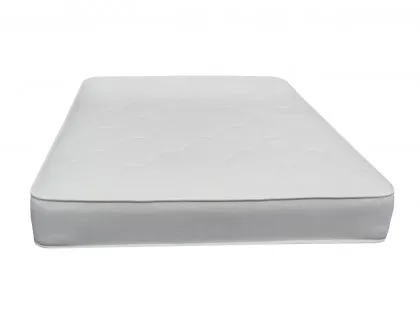
Medium to Firm
A suitable level of support for those who can’t choose between medium and firm, but want a comfortable mattress that’s not too hardOpen Coil
An interconnected spring system that is extremely robust and durableMemory Foam
Body moulding and pressure relieving material designed to reduce tossing and turning for a more restful night's sleepSingle Sided
Mattress Depth
The mattress depth is taken from the highest point to the lowest point. (8)From £231.07 SAVE £58.92


Medium to Firm
A suitable level of support for those who can’t choose between medium and firm, but want a comfortable mattress that’s not too hardFoam
A durable lightweight alternative to springs that offers edge to edge support maximising the sleeping areaMemory Foam
Body moulding and pressure relieving material designed to reduce tossing and turning for a more restful night's sleepSingle Sided
Mattress Depth
The mattress depth is taken from the highest point to the lowest point.
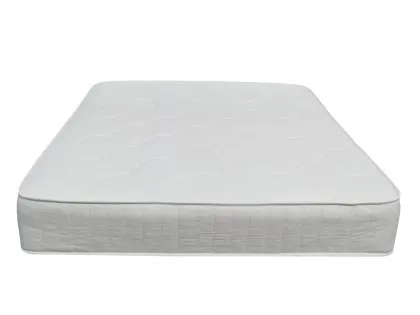
Medium to Firm
A suitable level of support for those who can’t choose between medium and firm, but want a comfortable mattress that’s not too hardPocket Springs
Pocket springs are individual independent springs that contour to your bodyshape and minimise partner disturbanceMemory Foam
Body moulding and pressure relieving material designed to reduce tossing and turning for a more restful night's sleepSingle Sided
Mattress Depth
The mattress depth is taken from the highest point to the lowest point. (11)From £216.22 SAVE £53.77

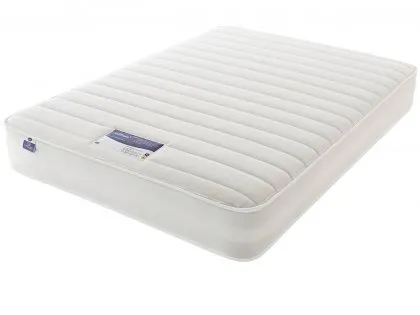

Soft to Medium
A gentle and supportive sleeping surface that moulds to your body shape. Ideal for those who prefer to sleep on their sidePocket Springs
Pocket springs are individual independent springs that contour to your bodyshape and minimise partner disturbanceMemory Foam
Body moulding and pressure relieving material designed to reduce tossing and turning for a more restful night's sleepSingle Sided
Mattress Depth
The mattress depth is taken from the highest point to the lowest point. (1)From £366.91 SAVE £93.08


Medium to Firm
A suitable level of support for those who can’t choose between medium and firm, but want a comfortable mattress that’s not too hardMiracoil
A series of interwoven springs running from head to toe with unique zoned support where your body needs it mostMemory Foam
Body moulding and pressure relieving material designed to reduce tossing and turning for a more restful night's sleepSingle Sided
Mattress Depth
The mattress depth is taken from the highest point to the lowest point.
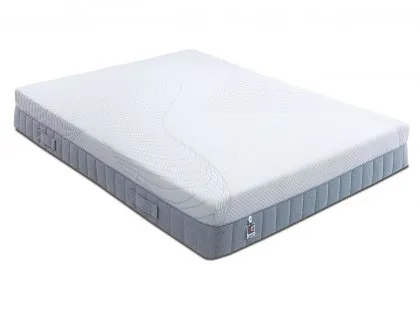
Medium
Supporting and contouring your body shape, it’s ideal for those who switch from sleeping on their side, to sleeping on their backPocket Springs
Pocket springs are individual independent springs that contour to your bodyshape and minimise partner disturbanceMemory Foam
Body moulding and pressure relieving material designed to reduce tossing and turning for a more restful night's sleepSingle Sided
Mattress Depth
The mattress depth is taken from the highest point to the lowest point. (3)From £268.71 SAVE £71.28

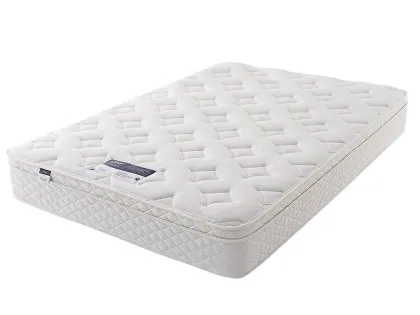
Firm
An ideal choice if you require a higher level of support. A firm mattress will suit those who prefer to sleep on their back or frontMiracoil
A series of interwoven springs running from head to toe with unique zoned support where your body needs it mostMemory Foam
Body moulding and pressure relieving material designed to reduce tossing and turning for a more restful night's sleepSingle Sided
Mattress Depth
The mattress depth is taken from the highest point to the lowest point.
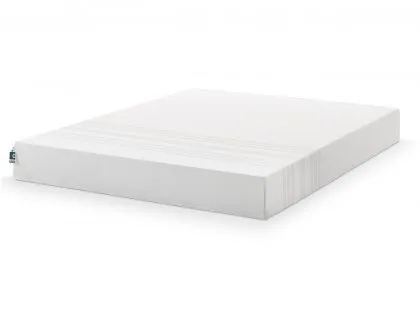
Medium
Supporting and contouring your body shape, it’s ideal for those who switch from sleeping on their side, to sleeping on their backFoam
A durable lightweight alternative to springs that offers edge to edge support maximising the sleeping areaMemory Foam
Body moulding and pressure relieving material designed to reduce tossing and turning for a more restful night's sleepSingle Sided
Mattress Depth
The mattress depth is taken from the highest point to the lowest point.
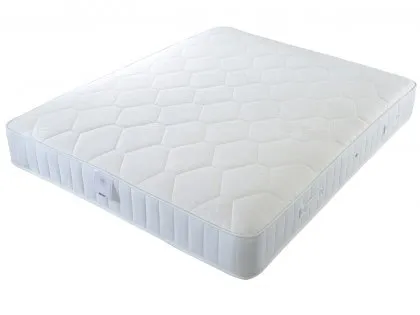
Medium to Firm
A suitable level of support for those who can’t choose between medium and firm, but want a comfortable mattress that’s not too hardOpen Coil
An interconnected spring system that is extremely robust and durableMemory Foam
Body moulding and pressure relieving material designed to reduce tossing and turning for a more restful night's sleepSingle Sided
Mattress Depth
The mattress depth is taken from the highest point to the lowest point. (1)From £231.07 SAVE £58.92

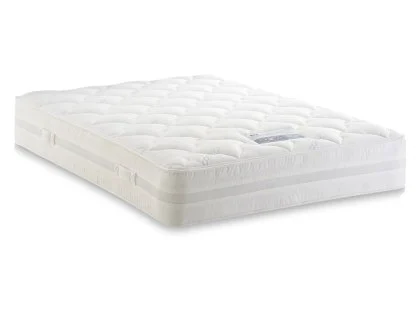
Medium
Supporting and contouring your body shape, it’s ideal for those who switch from sleeping on their side, to sleeping on their backPocket Springs
Pocket springs are individual independent springs that contour to your bodyshape and minimise partner disturbanceMemory Foam
Body moulding and pressure relieving material designed to reduce tossing and turning for a more restful night's sleepDouble Sided
Mattress Depth
The mattress depth is taken from the highest point to the lowest point. (4)From £329.77 SAVE £80.22


Medium
Supporting and contouring your body shape, it’s ideal for those who switch from sleeping on their side, to sleeping on their backPocket Springs
Pocket springs are individual independent springs that contour to your bodyshape and minimise partner disturbanceDouble Sided
Memory Foam
Body moulding and pressure relieving material designed to reduce tossing and turning for a more restful night's sleepMattress Depth
The mattress depth is taken from the highest point to the lowest point. (2)£423.20 SAVE £106.79


Medium to Firm
A suitable level of support for those who can’t choose between medium and firm, but want a comfortable mattress that’s not too hardPocket Springs
Pocket springs are individual independent springs that contour to your bodyshape and minimise partner disturbanceMemory Foam
Body moulding and pressure relieving material designed to reduce tossing and turning for a more restful night's sleepSingle Sided
Mattress Depth
The mattress depth is taken from the highest point to the lowest point.Recently viewed...
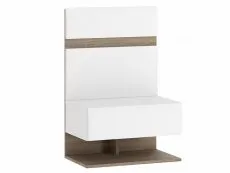
Furniture To Go Chelsea White High Gloss and Truffle Oak Bedside Extension (Flat Packed)
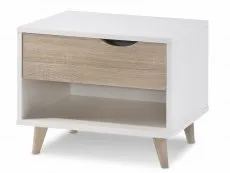
LPD Stockholm White and Oak 1 Drawer Small Bedside Table
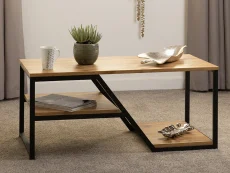
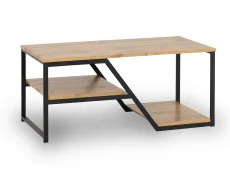
Seconique Durham Light Oak Effect Coffee Table

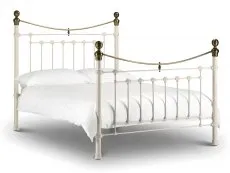
Julian Bowen Victoria Ivory and Brass Metal Bed Frame


Highgrove Kingston Crib 5 Contract Mattress
Memory Foam Mattresses: Comfort and Support
Memory foam mattresses have become increasingly popular due to their ability to provide excellent comfort and support. Whether you’re a side sleeper, suffer from aches and pains, or simply want a mattress that contours to your body, a memory foam mattress can offer the perfect solution. Let’s explore the benefits of memory foam, the sizes and firmness levels available, and how to care for your new memory foam mattress.
Benefits of Memory Foam Mattresses
Memory foam mattresses are known for their pressure-relieving properties. The foam responds to your body heat and weight, allowing it to mould to the shape of your body, which helps to alleviate pressure points. This makes it an excellent choice for side sleepers, as it cushions areas like the shoulders and hips, ensuring proper spinal alignment throughout the night.
Other key benefits of memory foam mattresses include:
- Even Weight Distribution: Memory foam evenly distributes your weight across the surface, reducing the strain on specific areas of the body and helping to relieve discomfort.
- Motion Isolation: If you share a bed, memory foam mattresses are ideal for minimising the effects of movement. The foam absorbs motion, meaning you won’t be disturbed by your partner moving during the night.
- Durability: High-quality memory foam mattresses are long-lasting, retaining their shape and comfort over many years, making them a great investment for your sleep quality.
Sizes of Memory Foam Mattresses
Memory foam mattresses come in a variety of sizes to suit different bed frames and room layouts. The most common sizes available are:
- Single (90cm x 190cm): Perfect for children, teenagers, or single adults, a single memory foam mattress offers all the pressure-relieving benefits of foam in a more compact size.
- Small Double (120cm x 190cm): Ideal for guest rooms or smaller bedrooms, a small double memory foam mattress offers more room than a single but remains space-efficient.
- Double (135cm x 190cm): A popular choice for couples or individuals who want more room to stretch out. Double sizes provide ample comfort for any sleeping position.
- King (150cm x 200cm): Offering more space, a king-size mattress is ideal for couples who want a generous sleeping surface. This size allows for undisturbed sleep, even if your partner moves during the night.
- Super King (180cm x 200cm): The ultimate in luxury, a super king mattress provides a vast sleeping surface, offering maximum comfort and support for couples or those who prefer a large bed.
Firmness Levels of Memory Foam Mattresses
Memory foam mattresses are available in a range of firmness levels, allowing you to choose the level of support that best suits your needs. The firmness of a memory foam mattress is influenced by the density of the foam, with higher densities providing firmer support.
- Soft to Medium: Ideal for side sleepers, a soft to medium memory foam mattress offers a plush surface that contours to the body, providing excellent pressure relief without sacrificing support.
- Medium: A medium firmness mattress is a great all-rounder, offering a balance of softness and support, making it suitable for most sleepers, especially those who prefer a mix of sleeping positions.
- Medium to Firm: If you prefer more support, a medium to firm memory foam mattress provides a sturdier sleeping surface while still offering the pressure-relieving benefits of memory foam. This is a good option for back and stomach sleepers.
- Firm: For those who need solid support, a firm memory foam mattress offers the sturdiest sleeping surface, helping to keep the spine aligned. Firm supports are great for people who prefer less sink and more structure.
- Extra Firm: If you require maximum support, an extra firm would be ideal. It offers the most stable sleeping surface, perfect for heavier individuals or those who prefer a firmer mattress for their back and overall posture.
How to Care for Your New Mattress
To ensure your mattress stays in great condition, it’s important to care for it properly. Here are some tips to keep your new mattress feeling fresh and supportive:
Use a Mattress Protector: Protect your mattress from spills, stains, and allergens by using a breathable mattress protector. This will help extend the life of your mattress.
Rotate Regularly: Although memory foam mattresses don’t usually require flipping, rotating your mattress regularly can help prevent uneven wear and ensure you get the most from your mattress.
Keep It Clean: Vacuum your mattress periodically to remove dust and debris. If you need to spot clean any stains, use a mild detergent and water, but be careful not to soak the foam.
Allow Proper Ventilation: Ensure your memory foam mattress is well-ventilated to prevent moisture build-up. A slatted bed frame works well for this, allowing air to circulate and keeping the mattress dry and fresh.
By following these care tips, your memory foam mattress will continue to provide you with comfortable, pressure-relieving support for many years.
In summary, memory foam mattresses offer a blend of comfort and support, with options to suit different sleeping positions and firmness levels. Whether you choose a soft, medium, or firm foam mattress, you’ll enjoy a restful night’s sleep with the added benefits of motion isolation and durability. With sizes available from single to super king, there’s a memory foam mattress to suit every bedroom and every sleeper’s needs.