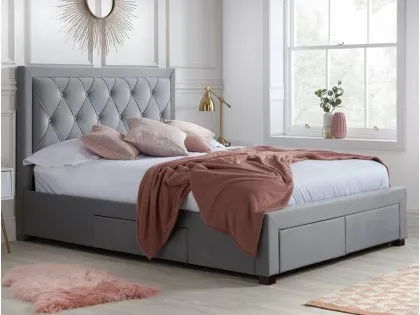
From traditional wooden bed frames to stylish ottoman storage beds, double bed frames come in a range of designs and colours to suit every bedroom.


 (2)
(2)£316.77 SAVE £83.22

 (7)
(7)£387.91 SAVE £77.58

 (23)
(23)£128.32 SAVE £41.67

 (4)
(4)£592.17 SAVE £157.82

 (14)
(14)£342.11 SAVE £87.88

 (11)
(11)£475.46 SAVE £124.53

 (7)
(7)£387.91 SAVE £77.58
 (3)
(3)£460.42 SAVE £119.57

 (3)
(3)£540.07 SAVE £139.92


 (1)
(1)£333.71 SAVE £86.28

 (21)
(21)£317.42 SAVE £63.48

 (3)
(3)£308.91 SAVE £81.08


 (6)
(6)£528.99 SAVE £141.00

 (21)
(21)£209.87 SAVE £60.12


 (4)
(4)£428.90 SAVE £111.09

 (2)
(2)£165.52 SAVE £44.47

 (4)
(4)£494.19 SAVE £125.80

 (6)
(6)£447.64 SAVE £112.35

 (7)
(7)£306.17 SAVE £103.82

 (144)
(144)£215.50 SAVE £54.49

 (29)
(29)£201.25 SAVE £48.74

 (18)
(18)£215.26 SAVE £94.73
 (27)
(27)£220.59 SAVE £59.40
Recently viewed...
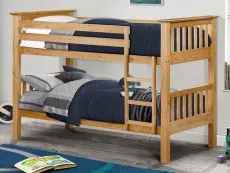
Julian Bowen Barcelona Pine Wooden Bunk Bed Frame


Julian Bowen Chatsworth 180cm Reclaimed Pine Extending Dining Table
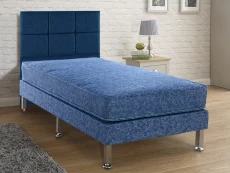
Kaye & Stewart Aquaguard Ortho Crib 5 Contract Waterproof Divan Bed on Fixed Legs
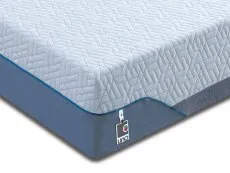
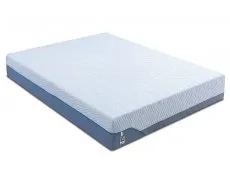
Breasley Comfort Sleep Firm Pocket 1000 Mattress in a Box


Julian Bowen Coxmoor American White Oak Dining Table and 4 Chairs Set
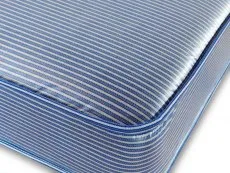

Shire Rochester Crib 5 Contract Waterproof Mattress
A Complete Guide to Double Bed Frames
When shopping for a new bed frame, choosing the right size and style is essential for comfort, functionality, and aesthetic appeal. Double bed frames are one of the most popular choices for bedrooms across the UK, as they offer a perfect balance of space and versatility. Whether you're furnishing a master bedroom, guest room, or a child’s room that needs extra space, double bed frames are an excellent option.
This guide will cover everything you need to know about double bed frames, including how they compare to other bed sizes, the different materials available, built-in storage options, and how to choose the best mattress. We’ll also provide tips on how to care for your new bed frame to keep it in top condition for years to come.
What is a Double Bed Frame?
A double bed frame is designed to hold a double mattress, which measures 135cm by 190cm (4ft 6in by 6ft 3in). This size offers ample space for two people to sleep comfortably without taking up too much room in the bedroom. Double bed frames are a versatile choice, making them suitable for a range of spaces and lifestyles, whether for a couple or someone who enjoys a bit of extra sleeping space.
Single, Double, and King Size Bed Frames: What’s the Difference?
Single bed frames are designed for a mattress measuring 90cm by 190cm (3ft by 6ft 3in), making them ideal for children, guest rooms, or anyone sleeping alone in a smaller space.
In contrast, standard double bed frames fit a larger mattress size of 135cm by 190cm (4ft 6in by 6ft 3in), providing more room for couples or individuals who want more sleeping space.
If you require even more room, a king-size bed frame, which holds a mattress measuring 150cm by 200cm (5ft by 6ft 6in), offers extra space for those who want maximum comfort, though it requires more room in the bedroom.
Double vs. Small Double Bed Frames
The difference between a double and a small double bed frame lies mainly in the width. A small double bed frame, also known as a “queen” or “three-quarter” bed, fits a mattress measuring 120cm by 190cm (4ft by 6ft 3in), making it narrower than a standard double.
Small doubles are great for smaller bedrooms or for individuals who want more space than a single bed but don’t have room for a full double. While a small double can accommodate two people, it may feel snug compared to the more spacious standard double.
Types of Double Bed Frames: Wood, Metal, and Fabric
Double wooden bed frames are a classic, durable choice that can fit a wide variety of bedroom styles. Whether you prefer traditional oak or modern painted wood, they are known for their strength and timeless appeal.
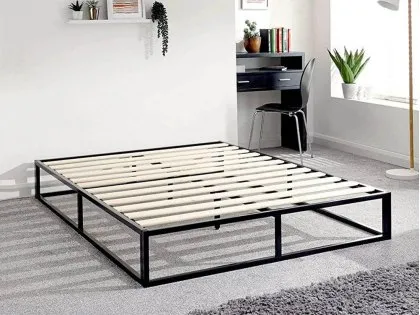
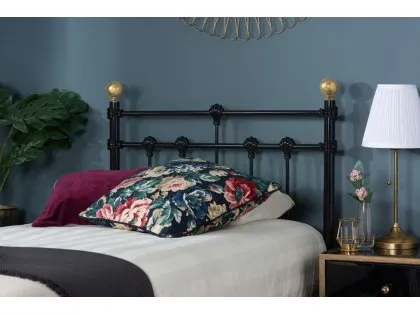
In contrast, metal double bed frames are lighter and more contemporary, offering a sleek and minimalist look while being easy to assemble and move.
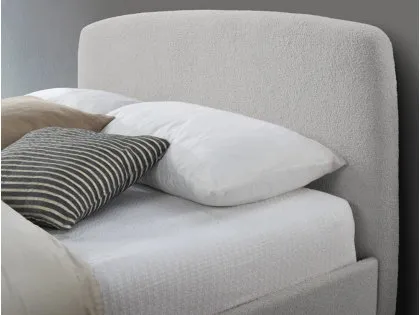
Fabric double bed frames, meanwhile, provide a touch of luxury and comfort, often featuring upholstered headboards that add a cosy element to the bedroom. Each material offers its unique benefits depending on your style preferences and practical needs.
Double Bed Frames with Built-In Storage
For those needing extra storage, double bed frames with built-in drawers or ottoman storage are fantastic solutions. Double beds with storage drawers usually feature compartments either on the sides or at the foot of the bed, making them perfect for storing bedding, clothes, or other items while maintaining easy access.
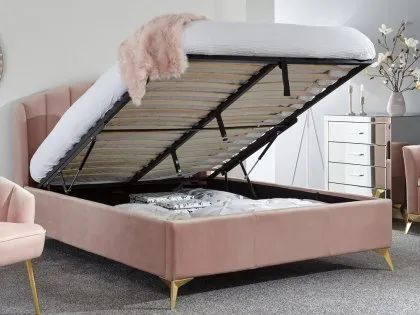
Double ottoman beds, on the other hand, offer even more space, with the entire mattress base lifting up to reveal a large storage area beneath. This hidden storage is ideal for bulkier items like blankets, luggage, or seasonal clothing, and it helps keep the room clutter-free.
The Best Double Mattress for Your New Bed
When choosing the best mattress for your double bed frame, memory foam mattresses are a great option if you need excellent support and pressure relief. These mattresses mould to your body, helping with back pain and offering a softer feel.
Pocket sprung mattresses are another popular choice, with individually wrapped springs providing superb support and minimising motion transfer, making them ideal for couples who want to avoid disturbing each other during the night.
How to Care for Your New Double Bed Frame
To keep your double bed frame in good condition, regular cleaning is essential. Dusting wooden or fabric frames and wiping them down with a soft cloth can help maintain their appearance. Periodically check for loose screws or bolts, tightening them to prevent any wobbling or squeaking. If you have a wooden bed frame, use furniture polish to keep the finish looking fresh and prevent scratches.
For fabric bed frames, use a fabric cleaner or an upholstery brush to keep the material clean. Avoid placing excessive weight on the bed frame, especially if it includes storage drawers or ottoman compartments, to prevent unnecessary strain on the structure.
Conclusion
A double bed frame is a practical and stylish choice for many bedrooms, offering the perfect balance of space, comfort, and versatility. Whether you prefer the warmth of wood, the sleekness of metal, or the luxury of fabric, there’s a double bed frame to suit every taste.
With the added convenience of storage options and the right mattress, you can create a cosy and functional sleep environment that will last for years. At Archers Sleepcentre, we’re here to help you find the perfect double bed frame to transform your bedroom into a relaxing haven.